There's a particular kind of tired that comes from waking up to yesterday's mess — the dishes, the shoes by the door, the small pile of things that never quite got put away. None of it is a big job on its own. Together, though, it sets the tone for the whole morning.
A daily reset fixes that. It's a short, deliberate pass through your shared spaces, usually about fifteen minutes, that returns the home to a calm baseline before you go to bed. It isn't deep cleaning and it isn't meant to be. It's the small habit that keeps everything else from getting out of hand.
What a reset is — and what it isn't#
A reset is tidying, not scrubbing. The goal is to get rooms back to a neutral state: surfaces clear, clutter home, obvious mess dealt with. You're not cleaning the oven or mopping the floor. You're stopping the slow drift toward chaos that happens when a dozen small things get left "for later" every single day.
The distinction matters because it keeps the habit small enough to actually do. If a reset turns into an hour of proper cleaning, you'll dread it and quit within a week. Fifteen minutes is the sweet spot — long enough to make a visible difference, short enough that you can face it even on a bad evening. The rest of the cleaning belongs in a separate rhythm; this is just maintenance.
The reset isn't about a perfect house. It's about not handing tomorrow-you a mess that today-you could have cleared in a quarter of an hour.
Set a timer and pick a few zones#
The timer is doing real work here. It turns an open-ended chore into a short sprint with a clear finish line, and it stops you from spiralling into jobs that don't belong in a reset. Set fifteen minutes, start moving, and stop when it goes off — even if the place isn't flawless. Consistency beats completeness.
Focus on the rooms that actually affect how the home feels. For most people that's a small handful:
- Kitchen: dishes done or loaded, counters wiped, sink clear
- Living room: surfaces cleared, cushions straightened, stray items collected
- Entryway: shoes and bags put away, post dealt with
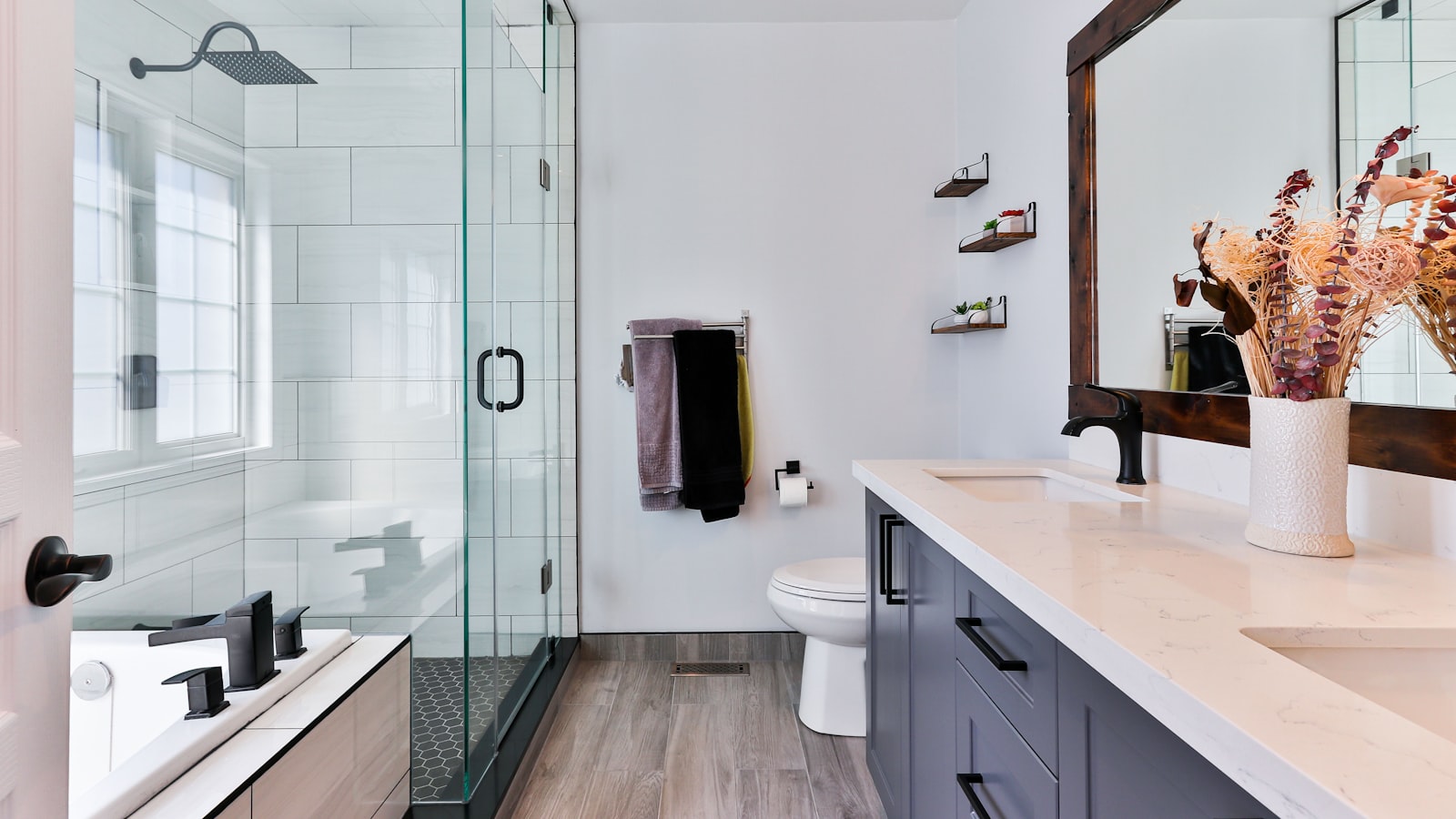
- Bathroom: quick wipe of the sink, towels straightened
Skip the rooms nobody sees in the evening. A guest room with the door shut doesn't need a nightly pass. Spend your fifteen minutes where they buy the most calm, which is almost always the spaces you and your household move through first thing in the morning.
Move in one direction and carry a basket#
Efficiency comes from not backtracking. Pick a starting point and work through your zones in a loop rather than darting between rooms. Clear one surface completely before moving to the next, and resist the urge to start a new task before finishing the one in front of you. A reset done in a tidy sequence feels calmer and finishes faster than one done in a panic.
A single basket or tote saves a surprising amount of time. Instead of walking each stray item back to its home one by one, drop everything into the basket as you go, then make one lap at the end to redistribute it all. The mugs, the toys, the charger cables, the mail — they collect in the basket, and you deal with them in a single sweep instead of a dozen little trips up and down the hall.
One warning: the reset is where good intentions go to die. You'll spot a smudge on the oven or decide a cupboard needs sorting, and suddenly your fifteen minutes has become an hour and the actual reset never got finished. When you notice a bigger job, don't do it — just make a mental note for your weekly or monthly cleaning instead. The whole value of the reset comes from its speed and its edges. Protect them, and the habit survives; blur them, and it quietly collapses into the very marathon you were trying to avoid.
Make it a habit, not a decision#
The reset only works if it happens without debate, which means tying it to something you already do every evening. The most reliable cue is a fixed moment: after dinner, once the kids are down, the second the evening show ends. Attach the reset to that anchor and it stops being a thing you have to remember and becomes just what happens next.
Getting the household involved helps enormously. Fifteen minutes with two or three people is a lot of ground covered, and it stops the resentment that builds when one person quietly does everything. Put on a song or two, give everyone a zone, and let the music mark the length of the reset. Kids in particular do better with a clear, short, timed job than with a vague instruction to "help tidy up."
This nightly habit is also what makes a bigger plan work. When rooms start each day from a clean baseline, your scheduled tasks become real cleaning instead of digging out from under clutter first. It pairs especially well with a weekly cleaning routine, which handles the deeper jobs while the reset keeps the day-to-day surface calm.
When you can't face even fifteen minutes#
Some nights you're wiped out, and that's exactly when the habit is most fragile. The trick is to have a stripped-down version ready. On a hard evening, do a five-minute reset instead: dishes and kitchen counters only, or just the one room that will bother you most in the morning. A tiny reset keeps the habit alive, and a habit that survives bad days is worth far more than a perfect one you abandon the first time you're exhausted.
It also helps to remember what the reset is really protecting you from. Skip it entirely for a week and you don't just have one messy evening — you have a home that needs the big kitchen clean after dinner plus a floor covered in stuff, all at once, on a weekend you'd rather spend elsewhere. The nightly reset is cheap insurance against that pile-up.
Give it a couple of weeks and the fifteen minutes stops feeling like a chore at all. You'll come to like the small ritual of closing down the house — the cleared counters, the straightened room, the quiet sense that tomorrow starts from calm rather than clutter. That feeling, more than any spotless surface, is what keeps the habit going, night after ordinary night.