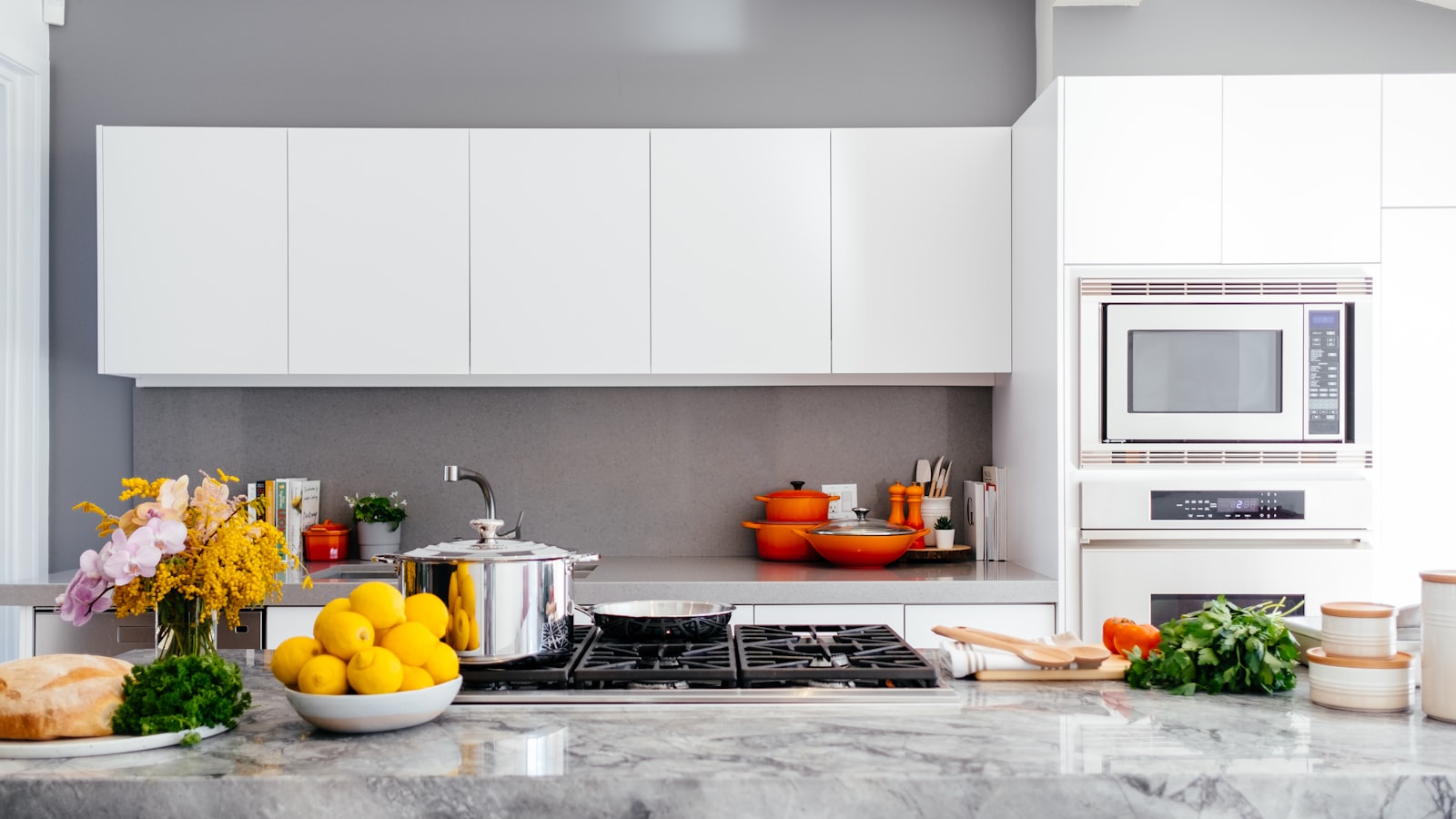
The kitchen is where a home's cleanliness is won or lost. It's the room that gets messy fastest, the one guests always end up in, and the first thing you see when you shuffle in for coffee the next morning. A greasy, cluttered kitchen at night becomes a heavy, discouraging start to the day.
The good news is that a kitchen reset after dinner is one of the most repeatable habits there is. It happens at the same time every day, it has a clear beginning and end, and with a bit of order it rarely takes more than fifteen or twenty minutes. Here's how to make it fast, calm, and automatic.
Clean as you cook, not just after#
The single biggest lever isn't after dinner at all — it's during. A sink full of pots and a counter buried in prep debris turns a ten-minute tidy into a forty-minute slog. If you deal with mess as it happens, there's simply far less waiting for you when the meal ends.
Keep a bowl of hot, soapy water in the sink while you cook, or rinse and stack as you go. Wipe the board and put ingredients away the moment you're done with them. Slide peelings straight into the bin or compost instead of letting them mound on the counter. None of this is extra work, really — it's the same work, just moved earlier, so that eating dinner isn't shadowed by the wreckage waiting in the next room.
It helps to think of the kitchen in two shifts. The cooking shift is where you contain the mess; the cleanup shift is where you finish it. If the first shift goes well — pans rinsed, board wiped, packaging binned as you go — the second shift is short and almost pleasant. Skip the first, and you'll pay for it double once you're full, tired, and staring down a sink that's grown taller than you remember.
A kitchen that was tidied while it was used is halfway clean before you even pick up a cloth. The after-dinner routine is meant to finish the job, not start it from scratch.
Work in the same order every night#
A predictable sequence is what turns kitchen cleanup from a daunting mess into a short, almost thoughtless routine. When you always move through the same steps, you stop deciding what to do next and just do it. Here's an order that flows well:
- Clear the table and scrape plates into the bin
- Put away leftovers before anything else, while food is still warm
- Load or wash the dishes, working from least to most greasy
- Wipe down the stovetop and any splashes
- Clear and wipe all the counters
- Do the sink last, then dry your hands and stop
The logic is simple: leftovers first so nothing spoils, greasy items last so you're not smearing fat around, and the sink at the very end because it's where the dirt collects. Follow the same path each night and the whole thing settles into muscle memory within a couple of weeks.
If you run a dishwasher, build it into the sequence: empty it in the morning or as you cook, so at cleanup time it's ready to load in one go. An empty dishwasher waiting at dinner's end is one of those small setups that makes the whole routine glide. A full one you have to unload first is a stumbling block that tempts you to leave the dishes in the sink "just for tonight" — which is exactly how the pile starts.
Give the stovetop and counters a real wipe#
Counters and the stovetop are where a kitchen quietly gets grimy. A quick spray and wipe every night stops grease and food splatter from building into the baked-on layer that needs a scraper and real effort to remove later. Warm surfaces wipe more easily too, so cleaning the stove shortly after cooking is genuinely less work than doing it cold the next day.
Use a cloth that can actually pick up grease rather than push it around, and don't forget the small high-touch spots — the cabinet handles, the tap, the light switch, the front of the dishwasher. These get touched with cooking-covered hands constantly and rarely get cleaned. A ten-second pass over them keeps the kitchen genuinely clean rather than just clear. If you find yourself reaching for the same few things every night, it's worth keeping them together; a simple cleaning kit parked under the sink means the wipe-down never stalls on a hunt for the spray.
Finish with the sink and a clear counter#
The sink is the finish line, and it deserves attention because a clean, empty sink makes the entire kitchen read as clean, even if you cut a corner elsewhere. Wash it out, wipe it dry, and leave it clear. There's something genuinely satisfying about a bare, gleaming sink, and that small win is part of what makes the habit stick.
Clear counters do the same work visually. Put the dish rack away or empty it, fold the tea towel, and give the whole room a last glance. The point of ending here is that you're setting up the morning: you want to walk in to space and calm, not to a reminder of last night's dinner. That single moment of order is worth the extra minute it takes to get there.
Keep it small so it survives busy nights#
The kitchen reset only works long-term if it stays light enough to do when you're tired. Deep jobs — the oven, the inside of the fridge, descaling the kettle — do not belong in the nightly routine. Trying to fold them in is how people burn out and abandon the habit entirely. Keep those for a separate schedule and let the nightly clean be strictly maintenance.
On truly exhausting nights, do the non-negotiables and let the rest slide: leftovers away, dishes at least soaking, sink and stove wiped. That takes five minutes and still prevents the worst of the overnight grime. A shrunk-down version that you actually do beats a thorough one you skip.
This nightly kitchen habit is really one slice of a larger rhythm. It slots neatly alongside the broader 15-minute daily cleaning reset that handles the rest of your shared rooms, and together they keep the home from ever needing a full rescue. Do the kitchen each night and you protect the busiest room in the house from the slow slide into grime — and you buy yourself a calmer, brighter start to every morning.