Small bathrooms ask a lot of a little space. Everyone in the house uses one every day, it collects a surprising amount of stuff, and there's rarely much room to store any of it. Left alone, it becomes a jumble of half-empty bottles, damp towels, and products nobody remembers buying.
A well-organized small bathroom, though, runs quietly and cleans up fast. The goal isn't a magazine shoot — it's a room where everything you need is easy to reach, the surfaces are clear enough to wipe in seconds, and the daily crush of getting ready doesn't turn into a mess. Here's a practical way to get there.
Clear the surfaces#
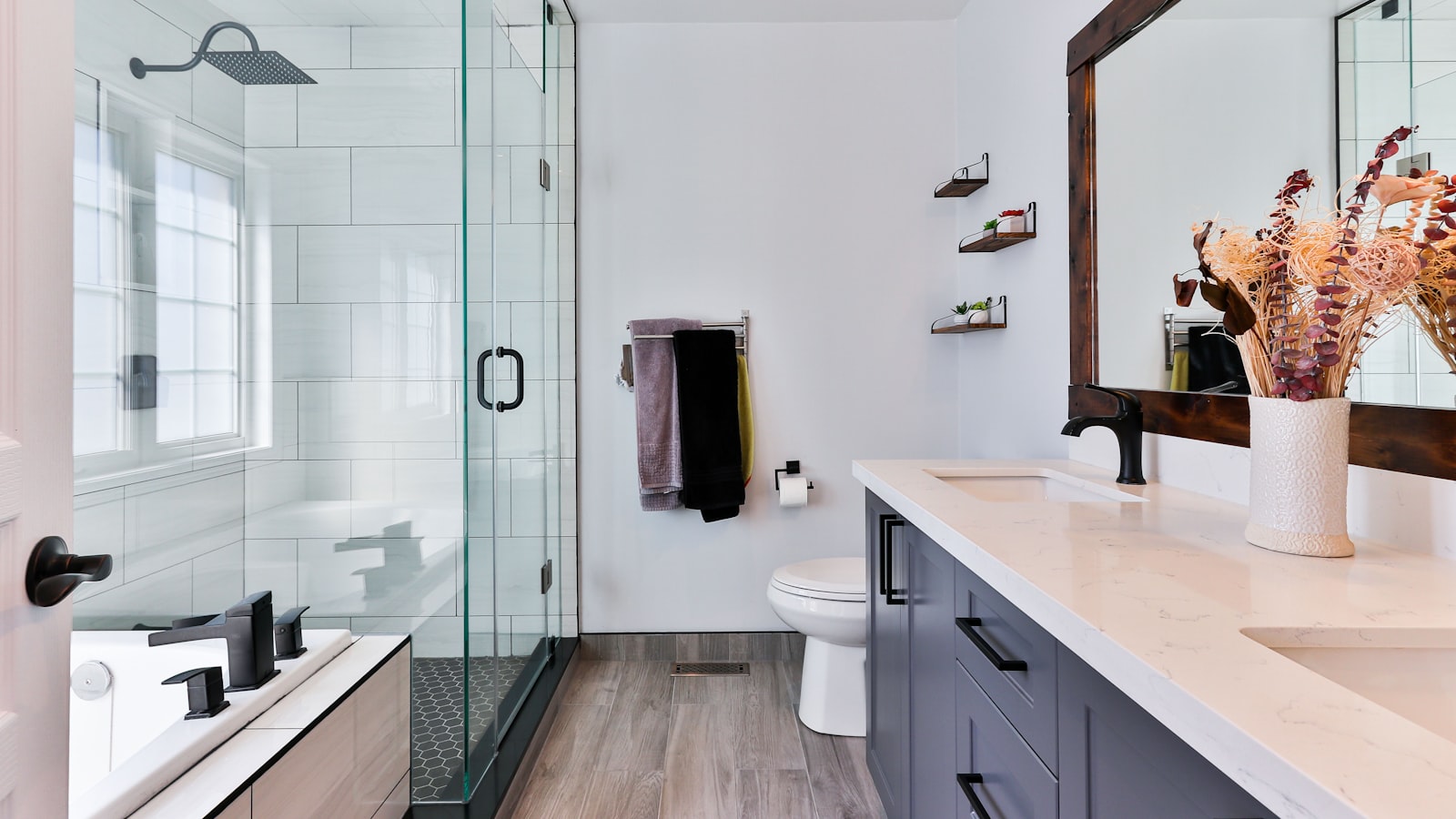
The fastest way to make a small bathroom feel bigger and cleaner is to clear the flat surfaces. The counter around the sink, the edge of the tub, the top of the toilet tank — these fill with bottles and clutter, and every item out in the open makes the room feel more crowded and harder to clean.
Aim to keep surfaces almost bare. The handful of things you use every single day can stay out if there's genuinely no room for them elsewhere, but everything else should move into storage. A clear counter isn't just about looks — it means you can actually wipe the surface down in one pass instead of lifting and replacing a dozen bottles.
Start by removing everything from the counter, cleaning it properly, and then returning only what you truly use daily. Toothbrush, hand soap, maybe one or two essentials. The rest goes into the cabinet or a drawer.
A cleared surface in a small bathroom does double duty: the room instantly looks calmer, and cleaning it drops from a chore to a ten-second wipe.
Use the space under the sink#
The cabinet or space under the sink is the most underused storage in most bathrooms. It's awkward — pipes get in the way, and things shoved in there disappear into a dark pile — but with a little setup it becomes the room's workhorse.
- Stacking bins or drawers turn the empty vertical space around the pipes into real, reachable storage.
- A tension rod across the inside holds spray bottles by their triggers, freeing the floor of the cabinet.
- Small baskets group like with like — one for hair, one for first aid, one for spare toiletries — so you can pull out the whole basket instead of digging.
- Door-mounted racks on the inside of the cabinet door hold flat items and small bottles.
Group by category so you can find things fast, and keep the everyday items at the front. Backstock and rarely-used products can live at the back or up high. Once this space is set up, a surprising amount of the bathroom's clutter simply disappears into it, out of sight but easy to grab.
Go vertical with the walls#
Small bathrooms almost never use their walls, and that's a lot of storage left on the table. The floor is limited and the counter is precious, but the vertical space above them is usually wide open.
A single shelf or two above the toilet turns dead wall space into a home for towels, a basket of extras, or a plant to soften the room. Over-the-door hooks hold robes and towels without taking an inch of floor. A slim shelving unit or ladder shelf in a spare corner adds real capacity with a tiny footprint.
Towels are worth a specific plan, since they're bulky and there's usually nowhere obvious to put them. Rolling them instead of folding lets you tuck more into a basket or onto a narrow shelf, and it looks tidy while you're at it. Hooks for the towels currently in use keep them off the floor and let them actually dry, which matters as much for the room staying fresh as for tidiness.
Keep the number of towels in the room realistic, too. A small bathroom doesn't need a tall stack for a household of two — a couple in use plus a spare set is plenty, and the rest can live in a linen closet elsewhere. Fewer towels in the room means less bulk to store and a shelf that isn't permanently jammed.
When you build upward instead of outward, a cramped bathroom gains storage without losing any of its already-tight floor space.
Keep only what you use#
Bathrooms are magnets for clutter because products are small, cheap, and easy to accumulate. Sample sizes, backups of backups, the shampoo you didn't like but kept, expired sunscreen, dried-out old cosmetics — a small bathroom fills with these fast, and they crowd out the things you actually use.
Go through everything and be honest. Toss what's expired, empty, or dried up, and set aside anything you tried once and won't use again. What's left should be things you genuinely reach for. In a small space especially, holding onto maybes is a luxury you don't have room for.
Watch the backstock, too. It's fine to keep a spare of the essentials, but you don't need six bottles of shampoo crammed under the sink. Keep one backup of the things you truly run out of and buy more only when you're actually low. A leaner set of products makes everything easier to store and to find.
This edit is worth repeating every few months, because bathroom clutter creeps back quietly. A quick cull keeps the room from silently filling up again.
Keep it clean with a small routine#
A small bathroom has one advantage: because it's small, keeping it clean takes almost no time — if you do it often rather than never. The whole game is a light daily touch that stops grime and clutter from building to the point where you dread dealing with them.
Build in a quick daily reset. Wipe the sink and counter after you use them, hang the towels to dry, and put back anything that drifted out. Thirty seconds, and the room stays fresh between proper cleans. Keeping a cloth or a pack of wipes within reach makes this effortless, because the tool is right there when you notice a splash.
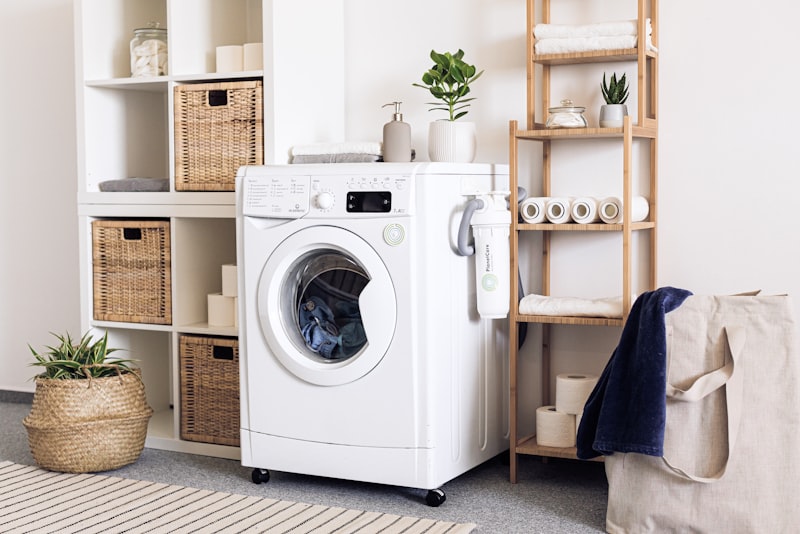
The same small-and-frequent logic that keeps a bathroom fresh applies right next door — pairing it with the way you handle the laundry room turns two of the home's dampest, busiest spaces into rooms that quietly take care of themselves.
Clear the surfaces, put the space under the sink and the walls to work, keep only the products you actually use, and back it all with a quick daily wipe. A small bathroom treated this way stops feeling cramped and starts feeling efficient — a tight little room that does everything you need without the daily hunt through a crowded, cluttered mess.