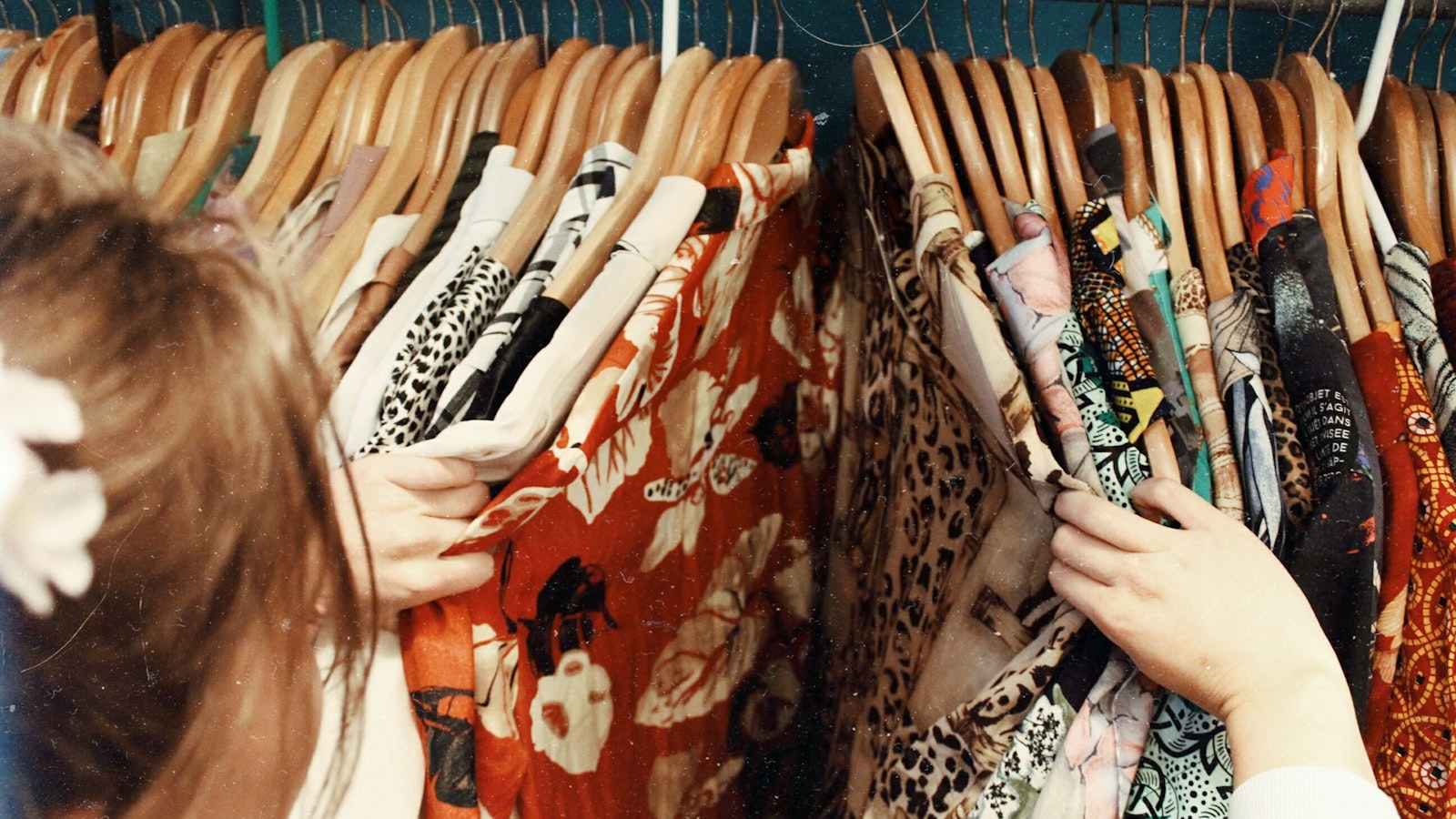
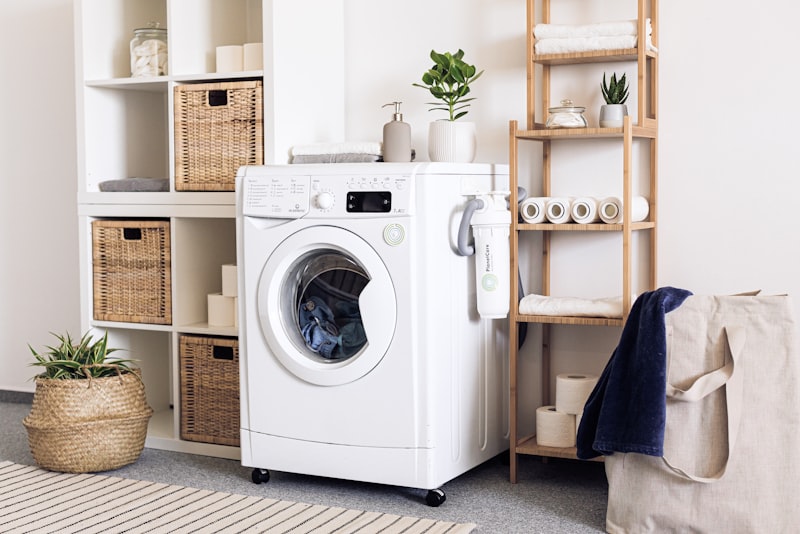
A closet is where getting dressed either flows or falls apart. Open the door to a crammed, chaotic rail and even choosing a shirt feels like work. Open it to clothes you can see and reach, and the whole morning starts a little lighter.
Organizing a bedroom closet isn't really about folding techniques or matching hangers, though those help. It's about owning a manageable amount of clothing, storing it so you can see what you have, and building a setup that survives the daily in-and-out of real life. Here's how to get there, gently and for good.
Take everything out first#
The only honest way to organize a closet is to empty it. Pull every item out and put it on the bed. It looks like a disaster for an hour, and that's the point — you can't judge what you own while it's crammed on a rail where half of it is invisible.
With everything out, you'll see the truth: the duplicates, the things you forgot you had, the clothes still tagged from a hopeful purchase two years ago. Seeing it all at once is uncomfortable, but it's the clarity that makes the rest of the job easy.
Now put things back one at a time, and only the things that earn it. This is where the real decision happens, so slow down for it.
Try each item against one plain question: do I wear this, or do I just keep it? The clothes you actually wear are usually a fraction of what you own, and giving them room is the whole goal.
Be kind to yourself here. Letting go of clothes can stir up guilt — money spent, a past version of yourself, a someday that never came. You don't have to resolve all of that today. You just have to decide what stays in this closet and what moves on, and it's fine for that to feel like a small emotional job as much as a practical one.
Group by type, then reach#
Once you've edited down to clothes you wear, put them back with a system rather than at random. The simplest and most durable approach is grouping by type: tops together, trousers together, dresses together, and so on. Within a group, you can loosely sort by color if it helps you find things, but don't overthink it.
Grouping does two quiet things. It makes getting dressed faster because you know where to look, and it shows you what you own — three near-identical black tops become obvious when they're side by side, which helps next time you're tempted to buy a fourth.
Think about reach, too. The clothes you wear most should be the easiest to grab, at eye level and front of the rail. Rarely-worn and special-occasion pieces can go higher or toward the ends. When your daily clothes are the most accessible, the closet stays organized on its own, because you're not disturbing everything else to get to them.
Fold what folds better than it hangs. Chunky knits, jeans, and t-shirts often store more neatly folded on a shelf or in a drawer than stretched on hangers. Hang what wrinkles or drapes — shirts, dresses, tailored pieces. Matching your storage to the garment keeps clothes in better shape and the closet looking calmer.
Facing folded clothes the right way matters more than it sounds. Stacked flat, only the top item is visible and the pile gets disturbed every time you reach in. Filed upright in a drawer, spine to spine, every item shows at a glance and nothing gets buried — a small change that keeps drawers usable for months instead of days.
Use every inch of the space#
Most closets waste space, usually vertically. There's a single rail, a shelf up top gathering dust, and a floor slowly filling with shoes and bags. A few simple moves reclaim room you already have.
- Add a second rail below the first for short items like tops and folded trousers, doubling your hanging space.
- Use shelf dividers up top to keep stacks of folded clothes from toppling into each other.
- Hang an organizer on the door or side wall for shoes, scarves, or small accessories.
- Add bins or baskets on high shelves for off-season or rarely-used items, labeled so you're not guessing.
- Slim hangers take up noticeably less rail space than bulky plastic or wooden ones.
You don't need all of these at once. Look at where your closet is failing — no hanging room, teetering shelf stacks, shoe chaos on the floor — and fix that one spot first. Organizing works best as a response to your actual problem, not a full kit installed on principle.
Store off-season clothes elsewhere#
A closet trying to hold every season at once is a closet that's always crowded. One of the biggest improvements you can make is simply removing the clothes you can't wear right now. Heavy coats in July and summer dresses in January are taking up prime space for no reason.
Move off-season clothing out of the main closet — into under-bed boxes, a spare closet, or vacuum bags on a high shelf. Suddenly the rail has breathing room, and everything you can actually wear this month is easy to see and reach. Twice a year, you swap. It takes an afternoon and pays off every single morning in between.
This same principle helps beyond the bedroom. A kids' room stays far more manageable when outgrown and out-of-season clothes are rotated out rather than left to jam the drawers. Keeping only the current, usable set in the space you use daily is the quiet secret behind almost every closet that stays tidy.
Keep it from creeping back#
An organized closet doesn't stay that way by accident, but keeping it up is far less work than the initial overhaul. The habits are small.
Give it a quick weekly tidy — rehang anything that slipped, refold a shelf that's gone sideways, return stray items to their group. Five minutes, maybe while you're getting ready anyway. Because everything already has a home, it's genuinely fast.
Adopt a loose one-in, one-out sense of balance, too. When something new comes in, let something worn-out or unworn go. It doesn't have to be rigid, but keeping a rough ceiling on what you own is what stops the closet from slowly refilling until you're back where you started. Clutter creeps in quietly; a light, regular check keeps it out.
Empty the closet, keep only what you wear, group it so you can see it, use the full height of the space, and rotate the seasons through. Then protect it with a few quiet minutes each week. A closet set up this way turns getting dressed from a daily scramble into something close to effortless — which is exactly what a closet is supposed to do.